Securing Cleanliness Excellence in Grooming Establishments through Efficient Cleaning of Tools
Wiki Article
Maintaining high standards of hygiene in barber shops is critical for shielding both customers and employees from possible contamination. Hair salons are settings where sharp instruments and grooming equipment touch epidermis, follicles, and sometimes minor cuts. This renders comprehensive washing and sterilization a critical practice to reduce the propagation of germs, pathogens, and fungi. By applying regular sanitation protocols, barbers can create a safer space, instill confidence in clients, and comply with health regulations that control licensed barber shops.
Proper disinfection of equipment originates with knowing the distinction between washing, sanitizing, and sterilizing. Scrubbing gets rid of obvious residue such as strands, skin particles, and product residue, while sanitizing reduces the level of dangerous germs to a safer level. High-level cleaning extends by destroying nearly all forms of organisms, including dormant bacteria. Equipment such as shears, razors, combs, and clippers must receive proper procedures to ensure that each phase adheres to sanitation requirements. Using registered chemical agents and adhering to the instructions ensures that tools are both safe to apply and their website long-lasting over time.
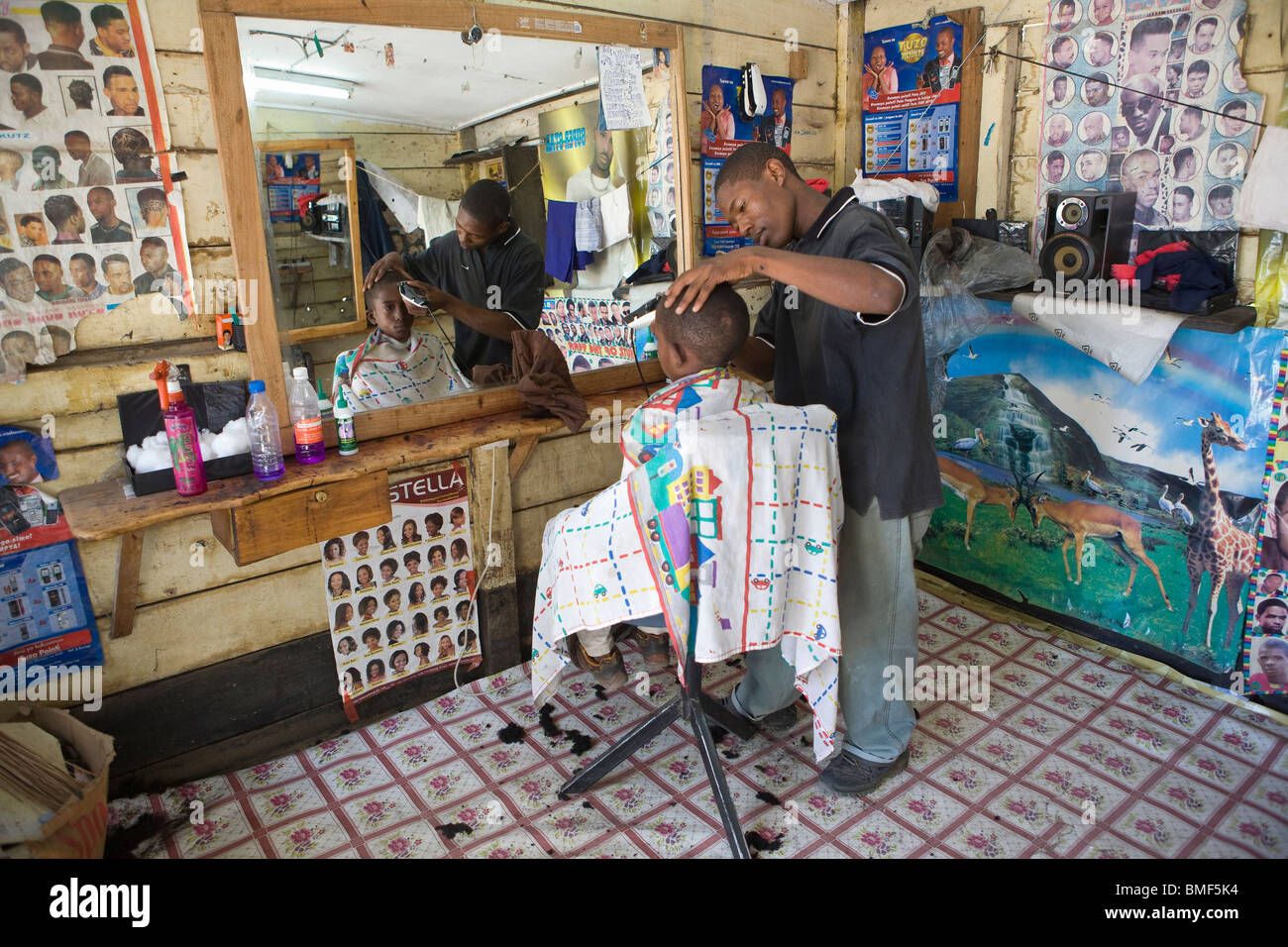
Grooming spaces must also consider the correct handling and placement of cleaned instruments. Tools that have been sterilized or cleaned should be maintained in a dry, dry environment to reduce cross-contamination. Designated storage containers, UV storage boxes, or protective pouches can protect equipment from external microbes. Additionally, stylists should implement the habit of tagging cleaned tools and cycling them consistently to maintain stable sanitation standards. A structured process to equipment organization not only enhances hygiene but also reflects professionalism to patrons.
Instructing employees on proper hygiene procedures is another vital element in ensuring cleanliness standards. Groomers and staff members should receive guidance on proper hand hygiene, wearing gloves, and the sanitizing of frequently used areas such as seating, counters, and basins. Ongoing refresher courses and checks support that hygiene practices remain steady across the shop. Educating barbers about the dangers of microbial transfer and the necessity of compliance encourages a culture of hygiene and responsibility within the grooming establishment.
Frequent review and upkeep of cleaning tools also support cleanliness quality. Autoclaves, vibration cleaners, look at here and cleaning agents must be tested for performance, and any faulty tools should be serviced promptly. Using a documented hygiene guide and maintaining detailed documentation of maintenance cycles additionally enhances adherence with municipal sanitation laws. By implementing correct equipment sanitation, their explanation organized handling, employee education, and device care, barber shops can maintain a clean, reliable space that supports the well-being of all customers.